
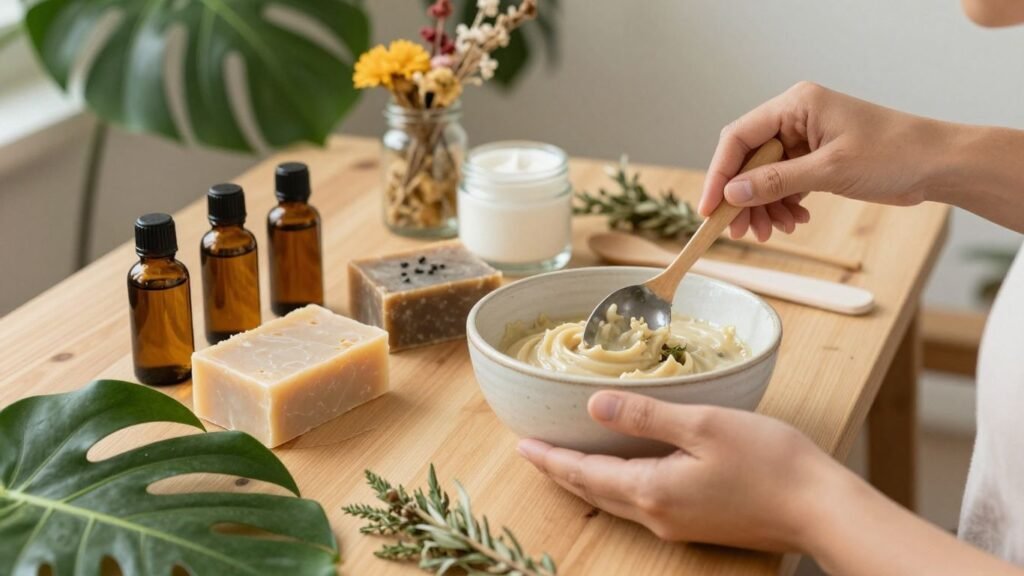
Brazil’s health regulator, Anvisa, has approved a framework for handcrafted cosmetics, perfumes and personal hygiene products made in the country. The rules create a defined product list and simplified requirements, including an exemption from formal pre-market approval for qualifying items. Makers will still need to meet safety, manufacturing and labelling standards.
Key takeaways
- Qualifying artisanal products will not need formal approval from Anvisa before sale.
- The permitted categories include solid soaps, shampoos and conditioners, body oils and butters, and alcohol-based perfumes.
- Rules include basic manufacturing controls, mandatory labelling and a 12-month maximum shelf life.
- A separate regulatory sandbox proposal will go to public consultation for 60 days.
The framework aims to reduce administrative barriers for small-scale makers without removing core public health protections. For consumers, the practical distinction is that “handcrafted” does not mean unregulated.
What the new framework covers
Anvisa’s decision follows Brazil’s Law 15.154, enacted in July 2025, which called for simplified rules for products made artisanally. The framework comprises a resolution setting technical and sanitary requirements, alongside an instruction listing the product groups that may be made and sold as artisanal.
The approved list includes air fresheners, solid bath or soaking products, solid body soaps, solid shampoos and conditioners, body oils and butters, solid underarm deodorants, and alcohol-based perfumes. Products outside those specified groups are not included in this artisanal framework.
Safety and claims remain central
Makers must follow simplified Good Manufacturing Practices, covering fundamental hygiene and product controls, and provide required label information. Products may have a shelf life of no more than 12 months from their manufacture date.
Claims are also limited: they must describe sensory qualities or basic functions such as cleansing, moisturising or adding fragrance. Therapeutic claims are not allowed under this framework, nor are claims that would require complex efficacy testing. The approval exemption therefore changes the administrative pathway, rather than removing the need for responsible production and clear consumer information.
A proposed regulatory sandbox
Anvisa also agreed to develop a regulatory sandbox proposal, with a 60-day public consultation planned. A sandbox is a supervised, limited setting in which businesses can test new models or technologies that do not yet fit existing rules. Any temporary flexibility would be subject to conditions and safeguards, with the aim of informing future regulation while protecting health and the public interest.
What this means for consumers
The changes apply to qualifying products made in Brazil; they do not alter the requirements for cosmetic or clinical services in Australia. For people in Melbourne considering skin or appearance treatments, product rules and treatment standards are separate questions. At Skiin, care is provided by qualified practitioners using medical-grade technologies and a multidisciplinary approach; consumers can ask providers about practitioner credentials, product information and the basis for any treatment claims before making a decision.